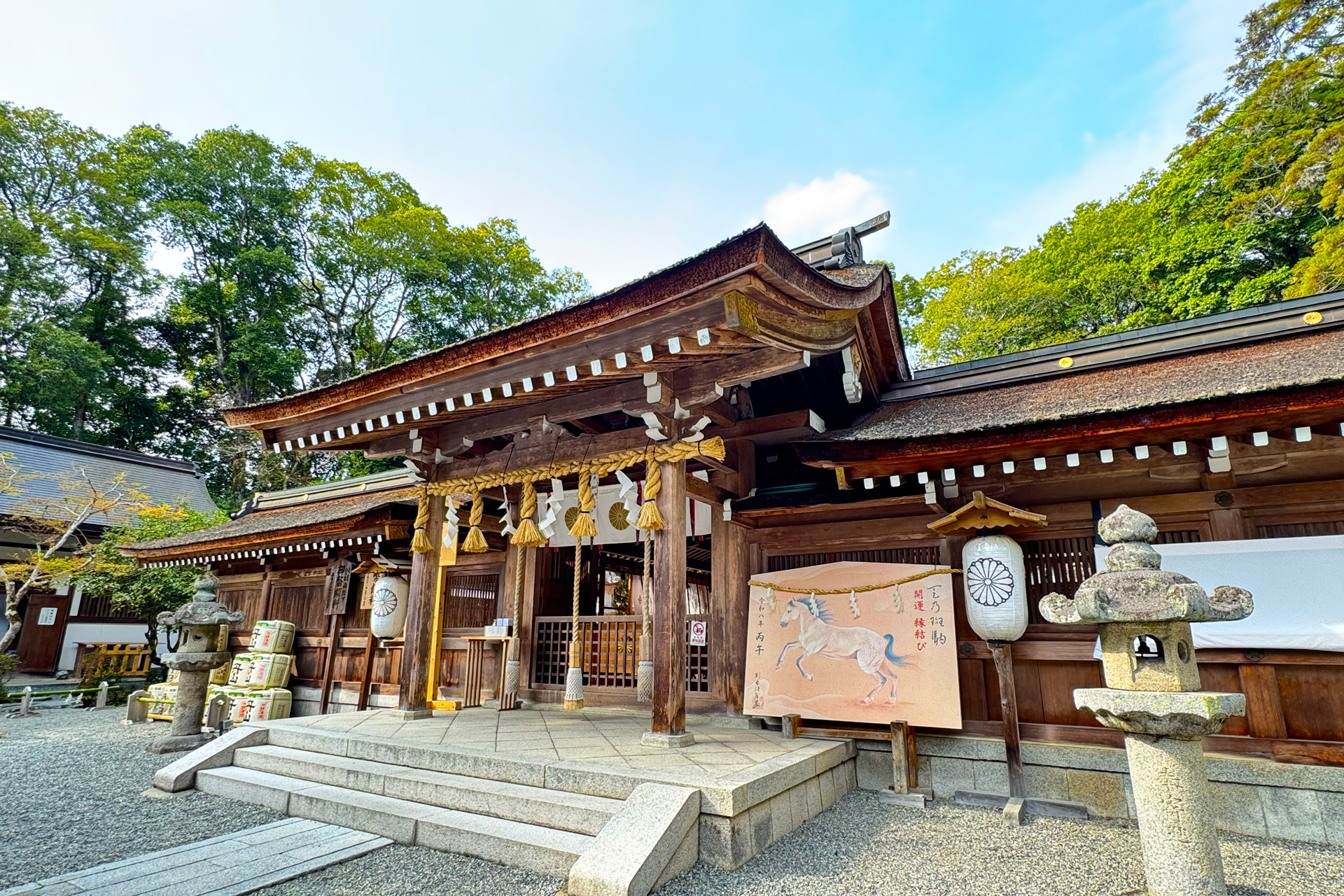
Tucked away in the gentle hills of Kameoka, Kyoto, there’s a shrine with a story that might surprise you.
When most people think of “Izumo” and the god of relationships, their minds go straight to the famous Izumo Taisha in Shimane Prefecture.
But what if I told you that there’s another Izumo shrine — one that claims to be even older — quietly nestled in the Kyoto countryside?
🔸🐈🔸🐈⬛🔸🐈🔸
Welcome to Izumo Daijingu (出雲大神宮), known lovingly as Moto-Izumo, or “The original Izumo.” ⛩️✨

Ready for a little journey?
Let’s discover the beauty and stories of Izumo Daijingu together 😺💖
A Gentle Welcome at the Shrine Gate
Before you even step fully into Izumo Daijingu, you may notice a stone rabbit waiting quietly near the torii gate.
See if you can spot your first little shrine companion 🐰🩷

Look closely—can you spot the rabbit?
🔽
🔽
🔽


There it is—right here🐰❣️
This cute rabbit is sitting quietly on the right-hand side, just in front of the torii 🐇✨
Did you manage to spot it?

As you explore the grounds, you’ll find more little rabbits in different sizes and playful poses quietly welcoming visitors along the way 😊

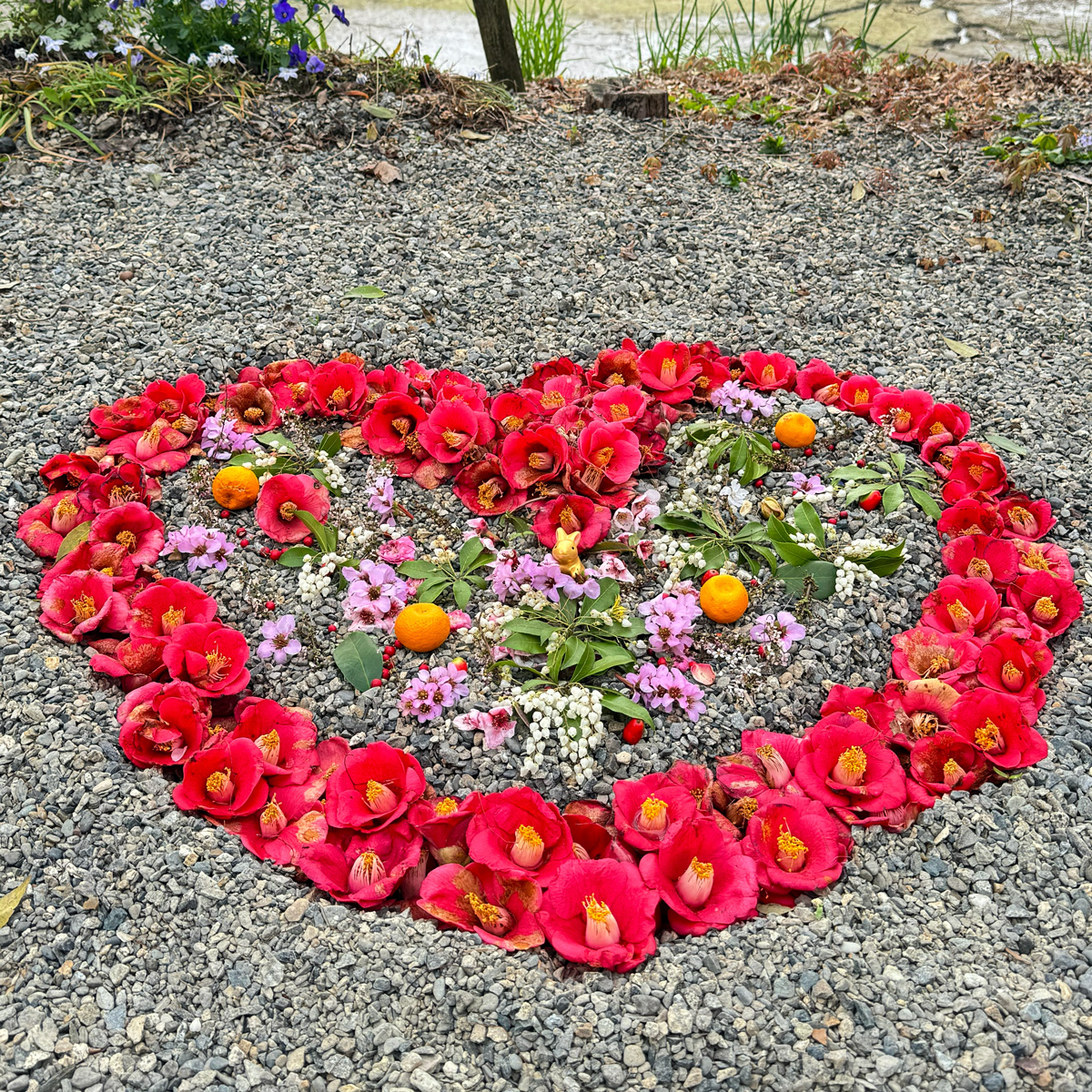
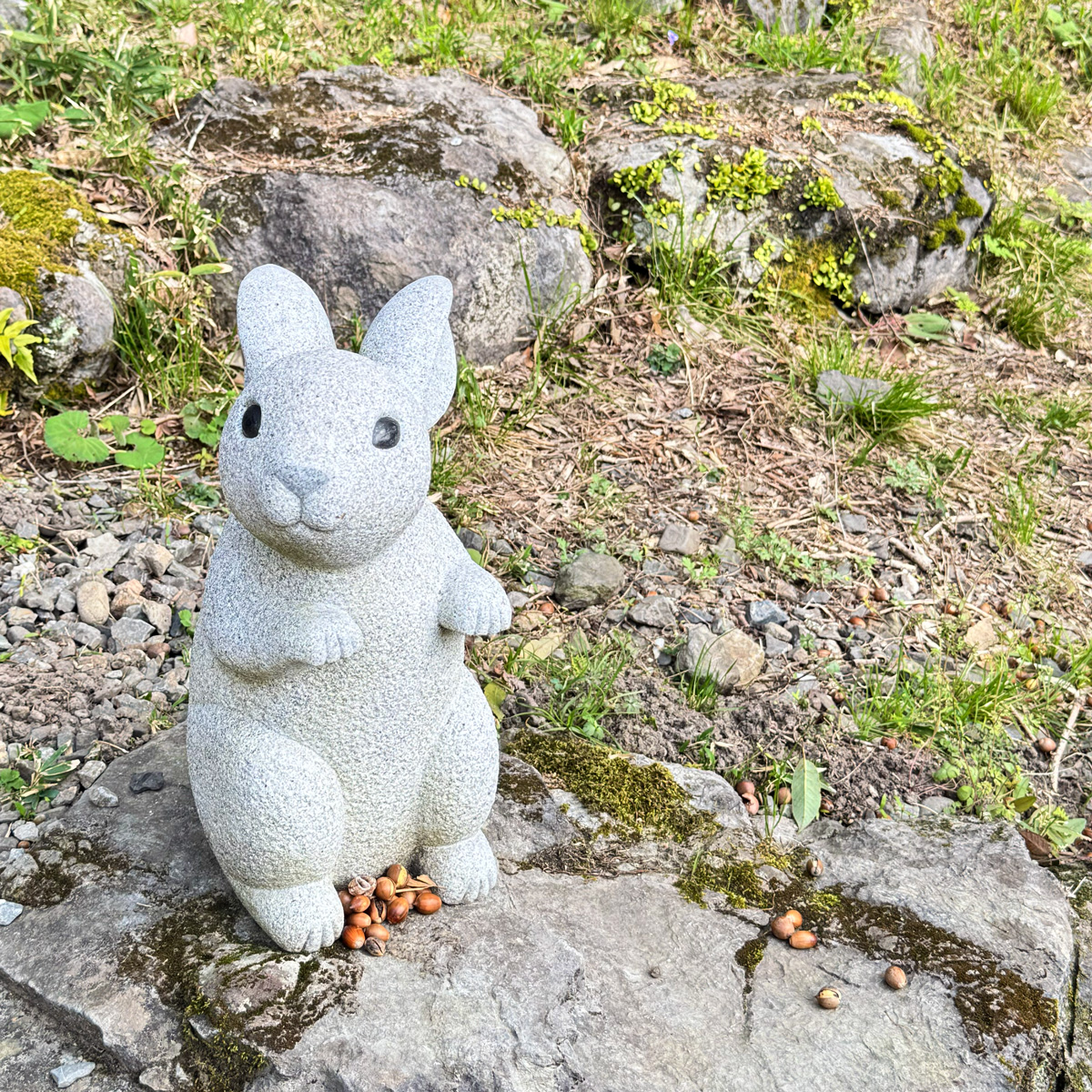
These rabbits are just the beginning — many more cute little rabbits are waiting around the shrine grounds 🧡🐰💚
Far more than delightful decorations, these rabbits carry a deeper meaning.
They quietly hint at a beloved story connected to one of the shrine’s most important deities—a story we’ll return to a little later.
Behind their gentle welcome lies a shrine with traditions and beliefs that stretch deep into Japan’s ancient past.
A Shrine with a Fascinating Tradition

This is where things get really interesting❣️
The story behind this shrine might surprise you 🌟
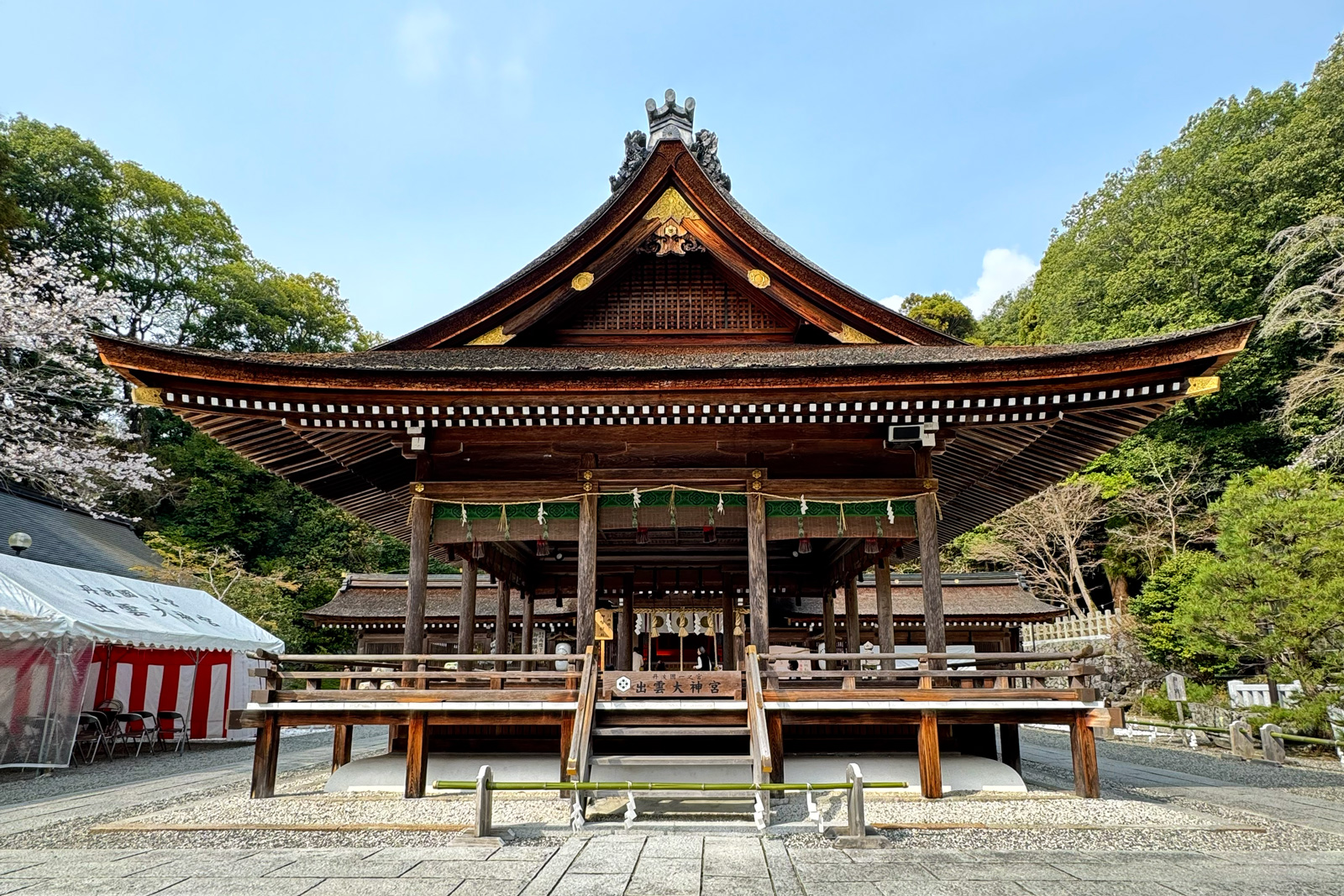
Located at the foot of Mount Mikage in Kameoka City, Izumo Daijingu has long held an important place in the spiritual traditions of the region.
A Story Passed Down Through Time
According to the shrine’s tradition, it was from this very place that the deity associated with Izumo worship was later enshrined in Shimane during the reign of Empress Genmei in the early 8th century.
This belief is the origin of the name “Moto-Izumo,” meaning “the original Izumo.”
While this tradition is not historically confirmed and has been debated by scholars, it remains a central part of the shrine’s identity and cultural narrative.

A story passed down for over a thousand years…😲
That’s pretty amazing, isn’t it?
What History Tells Us
Historically, Izumo Daijingu is recognized as the ichinomiya (principal shrine) of the former Tanba Province, a status that reflects its importance in regional religious life.
Its main hall (Honden) is designated an Important Cultural Property and is believed to date back to the early Muromachi period (14th century), when Japan was ruled by the Ashikaga shogunate.

Historical records suggest that it was renovated in 1345 under the patronage of Ashikaga Takauji, founder of the shogunate.
Built in the traditional Sangen-sha Nagare-zukuri style, the hall is topped with hiwada-buki roofing — layers of carefully stacked cypress bark — whose front slope gracefully extends forward to shelter the entrance, a defining feature of this elegant shrine architectural style.
These facts highlight the shrine’s long-standing prestige, supported not only by tradition but also by historical and architectural evidence.
So this isn’t just legend—there’s real history here too 😊✨
Echoes in Classical Writing
The shrine’s significance is also reflected in classical literature 🖌️📜🌸
The famous medieval work Tsurezuregusa by Yoshida Kenko, a well-known Japanese essayist and Buddhist monk, mentions an important Izumo shrine in Tanba.
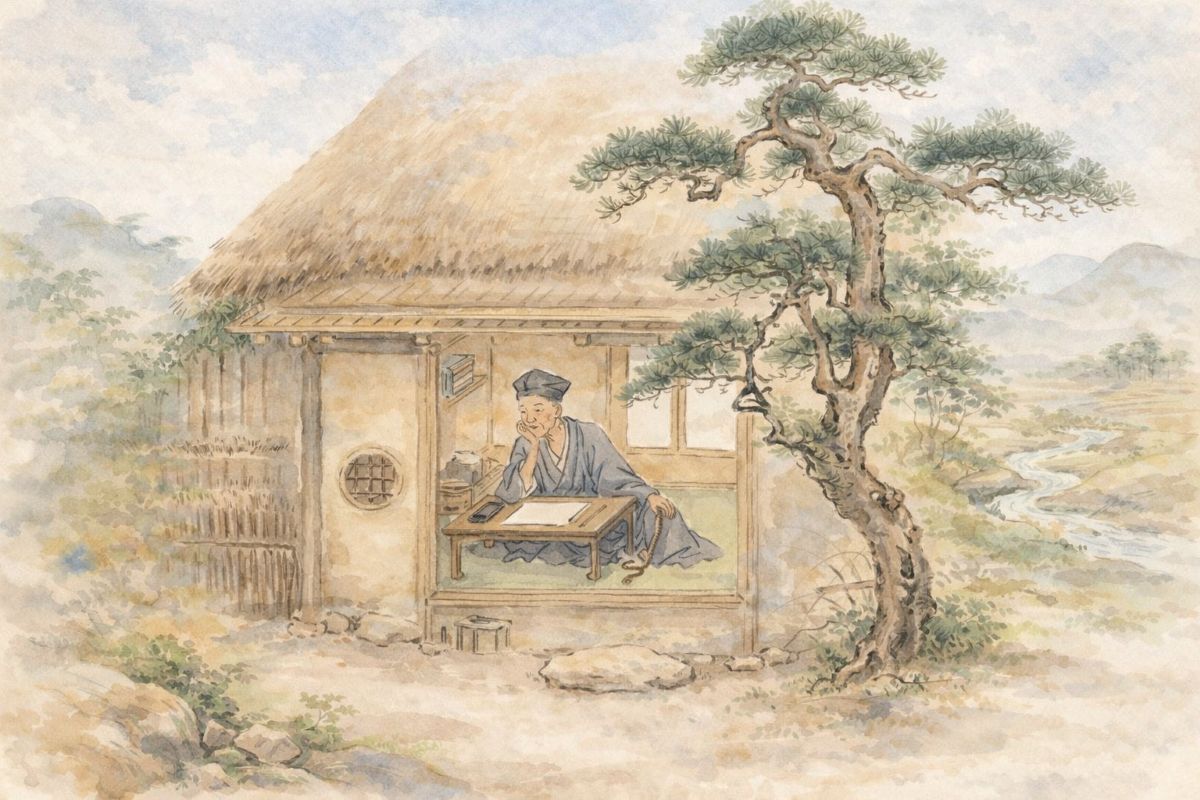
Although the text does not explicitly name Izumo Daijingu, it is widely believed that this reference points to this very shrine, suggesting that it was already well known during the Kamakura period (late 12th to early 14th century, 1185–1333).

Imagine this place being talked about hundreds of years ago … 😳
Who Is Enshrined Here?

You might be wondering who watches over this place 😺🩷
Do you remember the rabbits quietly welcoming visitors around the shrine grounds ❓ 🐰🌿
They are inspired by a well-known legend connected to one of the principal deities enshrined here—a deity deeply associated with compassion, relationships, and the bonds that connect people.
The Deities Behind the Story
To understand the meaning behind these rabbits, it helps to first meet the deities enshrined here.
The two principal deities at Izumo Daijingu are a divine couple 💞✨:
The rabbits seen throughout the shrine grounds are inspired by the famous “White Rabbit of Inaba,” a beloved Japanese legend closely associated with Okuninushi 🐇🌿
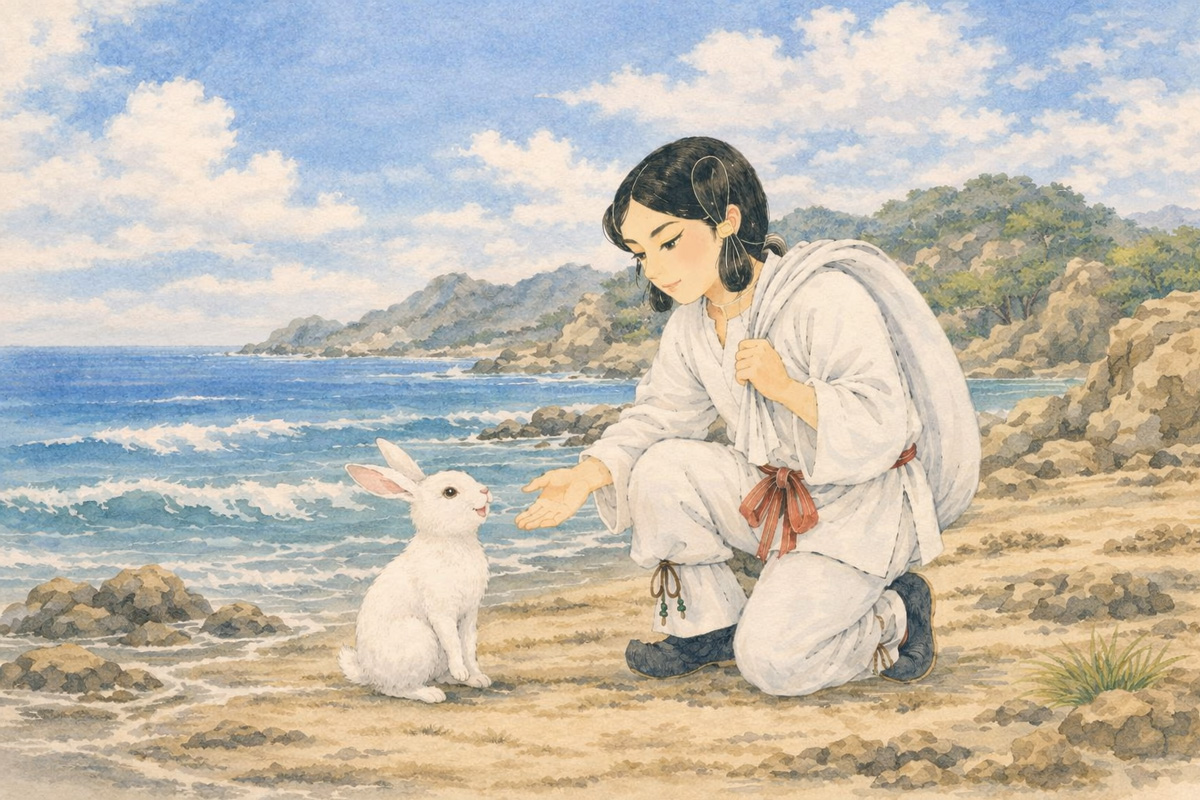
The story of the White Rabbit of Inaba is a fascinating one—we may have to explore it another time 😺🩷
It is this pairing — a divine husband and wife enshrined together — that gives Izumo Daijingu its reputation as a place of especially powerful enmusubi, the “tying of bonds.” 🤝💞
After all, if the gods themselves are here together, what better place to pray for love, lasting relationships, and meaningful connections in your own life?

No wonder people come here to wish for meaningful connections 😻💖
Beyond Romantic Love: The Meaning of Enmusubi
Although Okuninushi no Mikoto is widely known as a god of relationships (enmusubi), this does not refer only to romantic connections between men and women.
Rather, it is understood as the power to create meaningful bonds that support mutual growth—helping individuals develop, and fostering a society that is bright, harmonious, and full of positive connections.
This is why Okuninushi is also cherished as a deity of good fortune and is deeply and widely revered by people, as he is believed to grant us the power to form these life-enriching connections.
It’s not just about love—it’s about all the connections that shape our lives ❣️
Okuninushi no Mikoto is not only about relationships—you’ll also find prayers for prosperity and long life here ✨
More Than Just a Shrine of Love

From the quiet stone rabbit at the shrine gate to the ancient traditions of enmusubi, Izumo Daijingu is a place where many layers of story come together.
It is a shrine connected to the beloved legend of Okuninushi and the White Rabbit of Inaba, remembered in classical literature, and home to a main hall recognized today as an Important Cultural Property of Japan.
Whether you are drawn here by history, spirituality, relationships, or simply the peaceful atmosphere of the surrounding mountains, Izumo Daijingu has a quiet way of staying with you long after your visit ends.
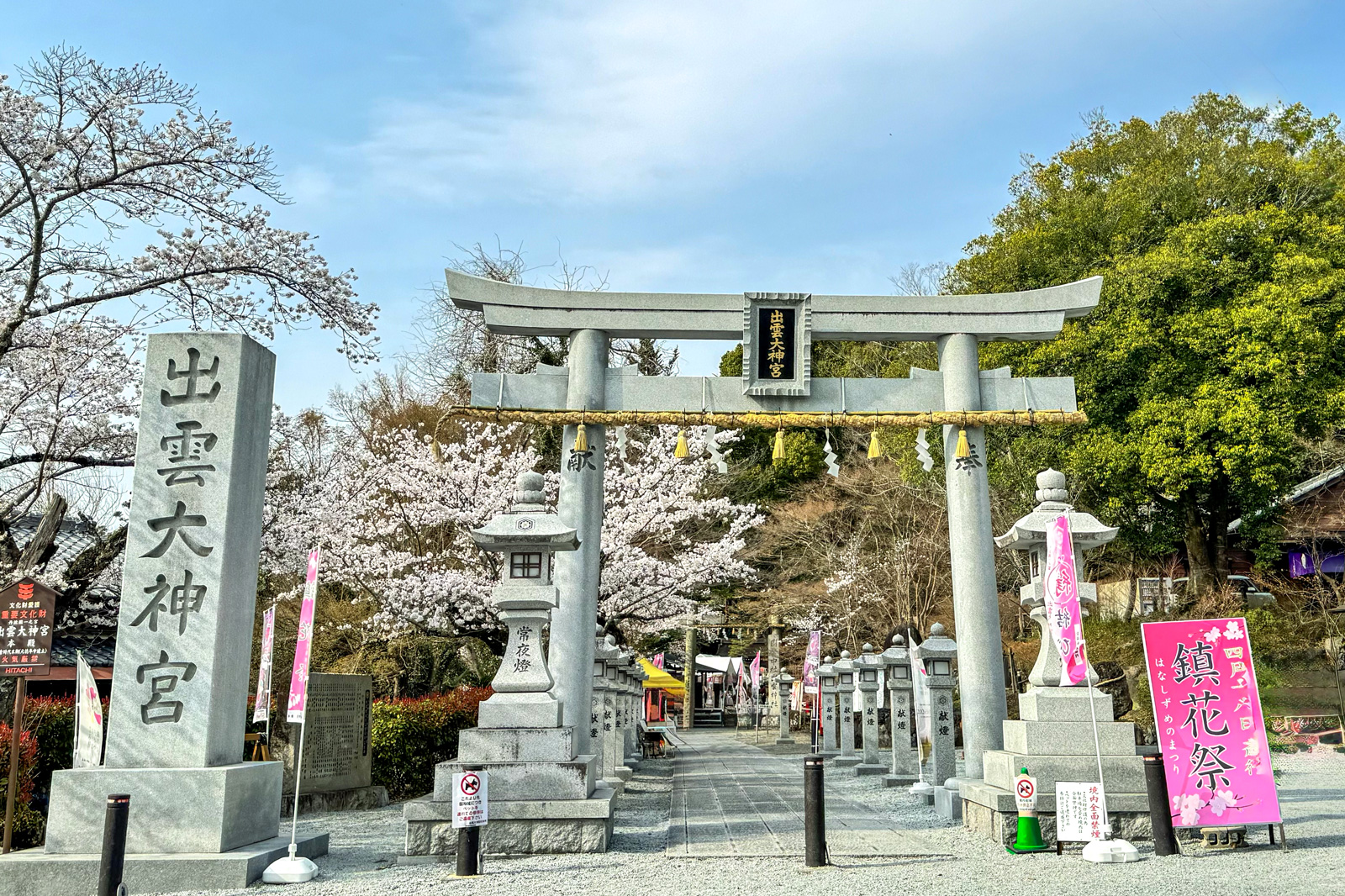
Maybe that’s what makes this shrine so special—every visitor seems to discover a different connection here 🩷✨
